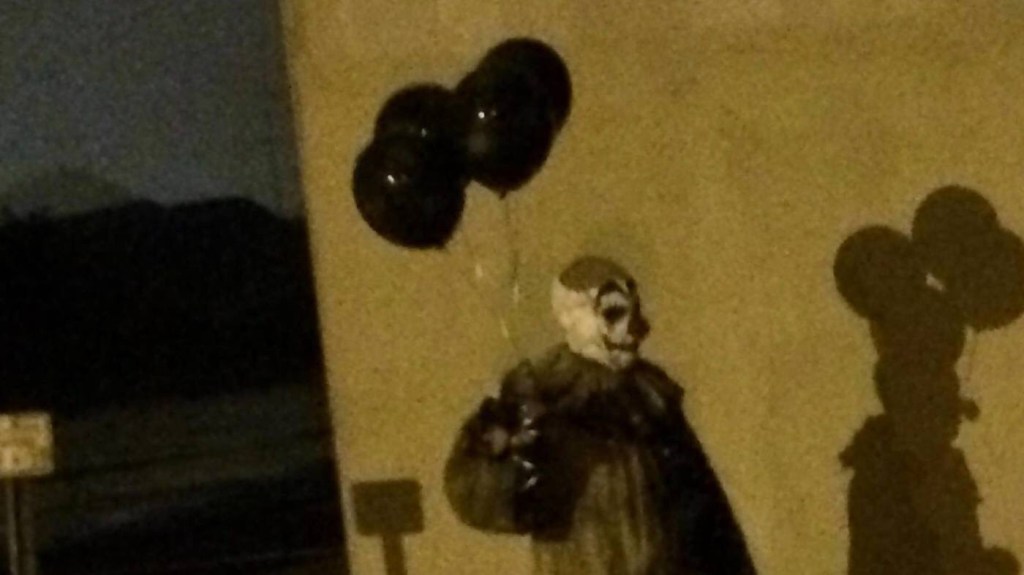
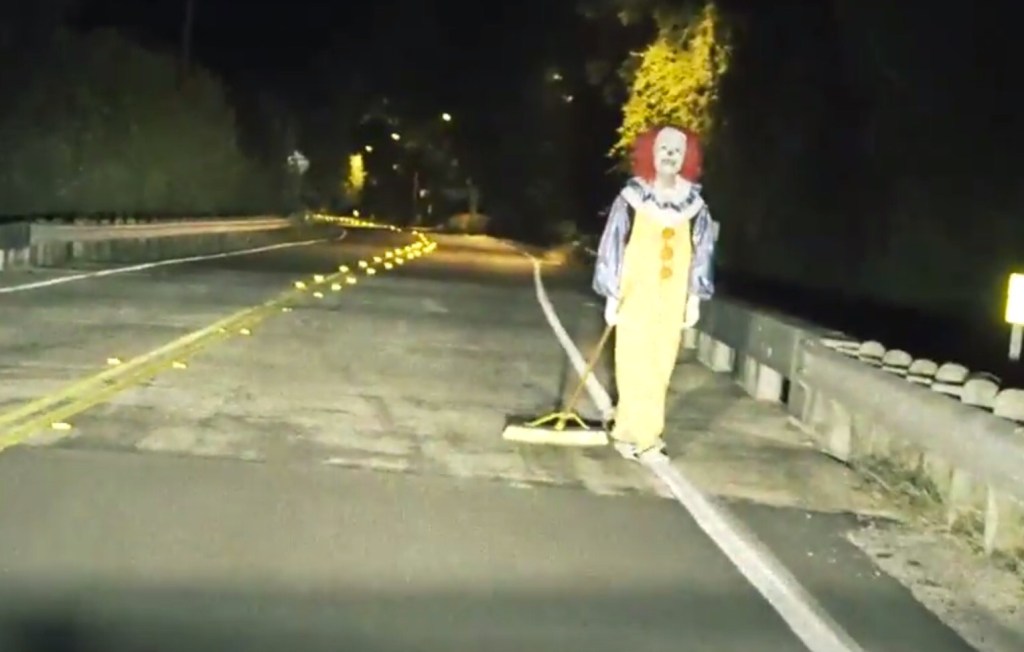
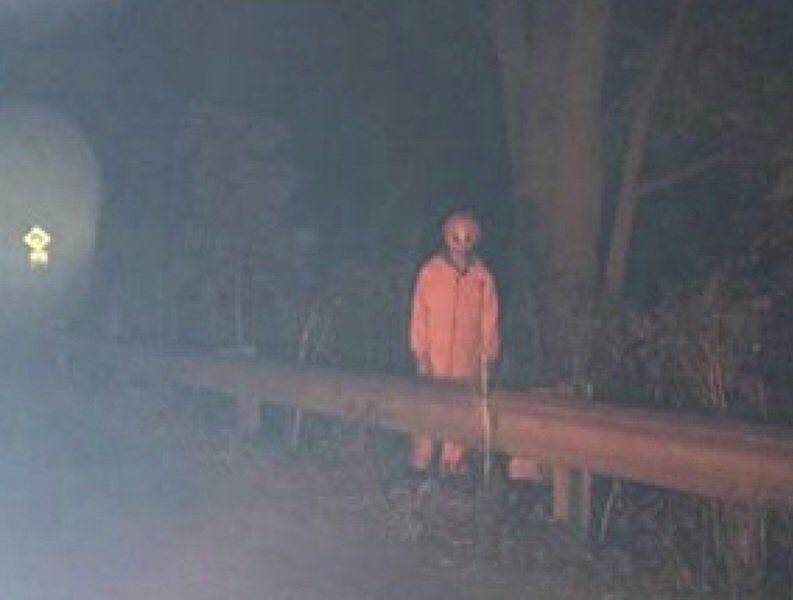
Five photos taken in August of 2016 sparked a phenomenon known today as the 2016 clown sightings. Although it was later revealed as marketing for an upcoming horror film, photos of a creepily dressed clown beneath a bridge in downtown Green Bay, Wisconsin circulated the internet, eventually airing on the news.
Afterwards, people dressed as clowns began appearing across the United States. They were commonly referred to as killer or evil clowns because of the scary costumes worn and the presence of fake or real weapons. South Carolina had the most reported sightings of any place.
By mid-October, clowns were being sighted in almost all 50 states and 13 providences of Canada, along with 18 other countries. Even more alarming, attacks were happening.
Attacks included almost anything imaginable: aggressive robberies, attempted kidnaps, blunt object beatings, strangulation, stabbings. Posts on and off social media threated schools. One threat went as far as saying students would be kidnapped and teachers beheaded.
The sightings reported to police are unsettling and in some cases, violent. In South Carolina, a 9-year-old told his mom two male clowns tried luring him into the woods.
In Pennsylvania, a 16-year-old was at a party where he got into a fight with a man in a clown outfit. The next morning, the teen was found stabbed to death on the front porch.
In Florida, 20 people wearing clown and The Purge masks assaulted two individuals. One was stabbed, the other beat with a hockey stick.
The 2016 clown sightings began to decrease after Halloween. The increasing involvement of law enforcement made some realize how serious of an issue it was. Others lost interest in sightings or dressing as a clown.
Unfortunately, the total number of sightings is unknown. However, it is estimated to be in the hundreds, if not thousands.
The clown craze left a lot of unanswered questions. What was the motivation behind people dressing up as clowns? Why were communities so terrified?
Though the sightings seemed random, they were all connected via social media. Countless videos and pictures were taken of sightings and inspired others to dress up as clowns to be filmed or photographed.
One category of people wanted to frighten others for fun or a thrill. Many individuals fear or have a phobia of clowns.
Second category of people wanted to be apart of the clown craze. They were motivated by the desire to be part of something new and different.
Third category of people saw it as a way to get away with committing crimes, such as robbery. Unless caught, their identity would be unknown. They would blend in with the rest of the clowns, so to speak.
Fourth category of people have been waiting for an event like this. By dressing as a clown, it gave them a chance to be someone else; they enjoyed doing it. They viewed it as acceptable and were more inclined to dress up because so many people were participating (exactly like Halloween).
Communities were terrified because the identity of someone dressed as a clown is concealed, and their intentions are unknown. For all they know, the person behind the mask could be a psychopath or serial killer. As stories of attacks began to spread, clowns sightings became potentially dangerous.
Although arrests were made, most perpetrators were never found. Those not brought to justice walk among us, not as killer clowns but as ordinary people.
Source of information:
 The Paranormal Report